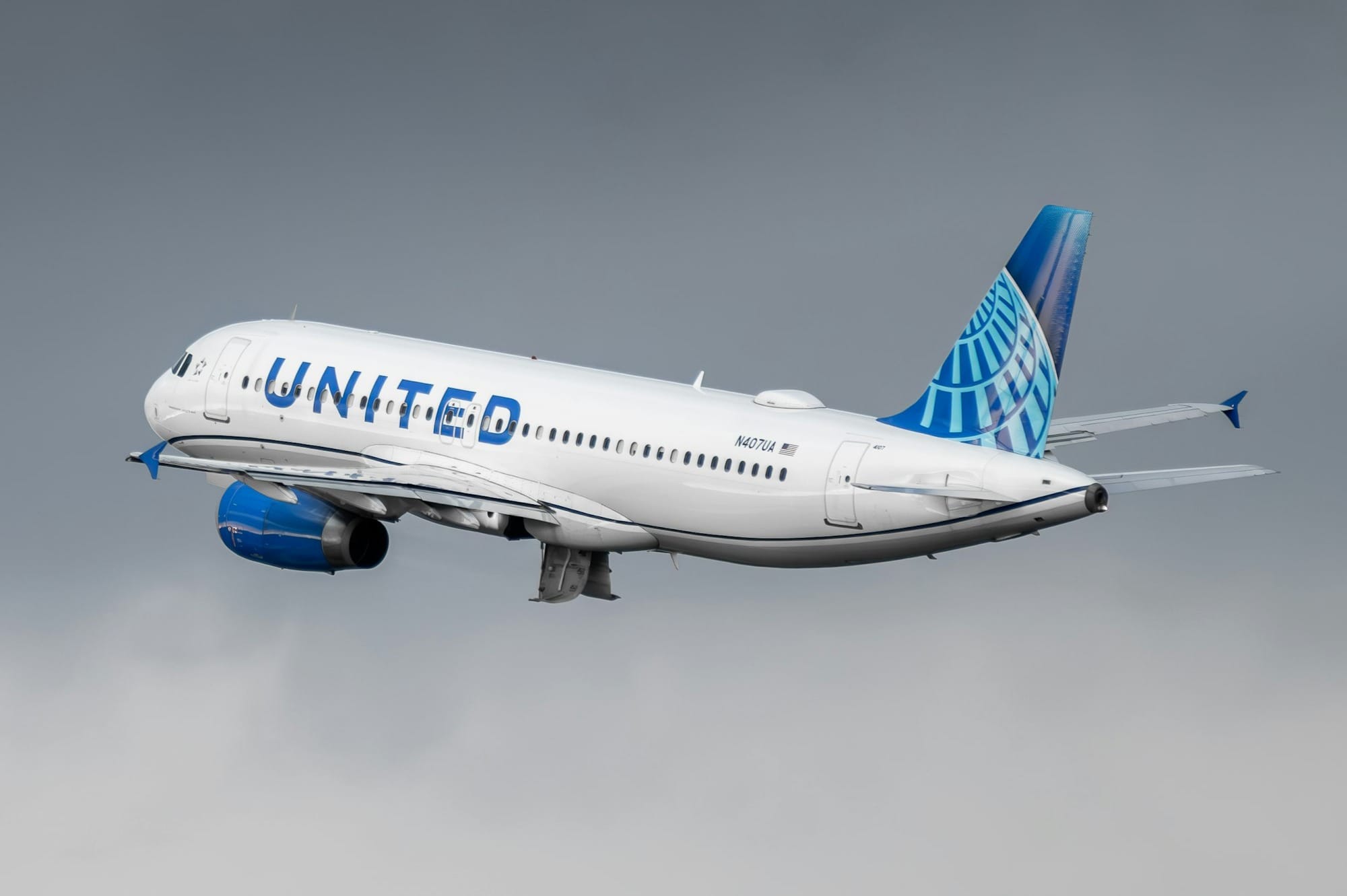
The New Rules of the Sky: 5 Surprising Shifts in Airline Alliances You Need to Know
If you’ve ever walked through an airport terminal, you’ve likely seen the familiar logos of airlines like United, Lufthansa, and Singapore Airlines grouped under a single banner: "Star Alliance."
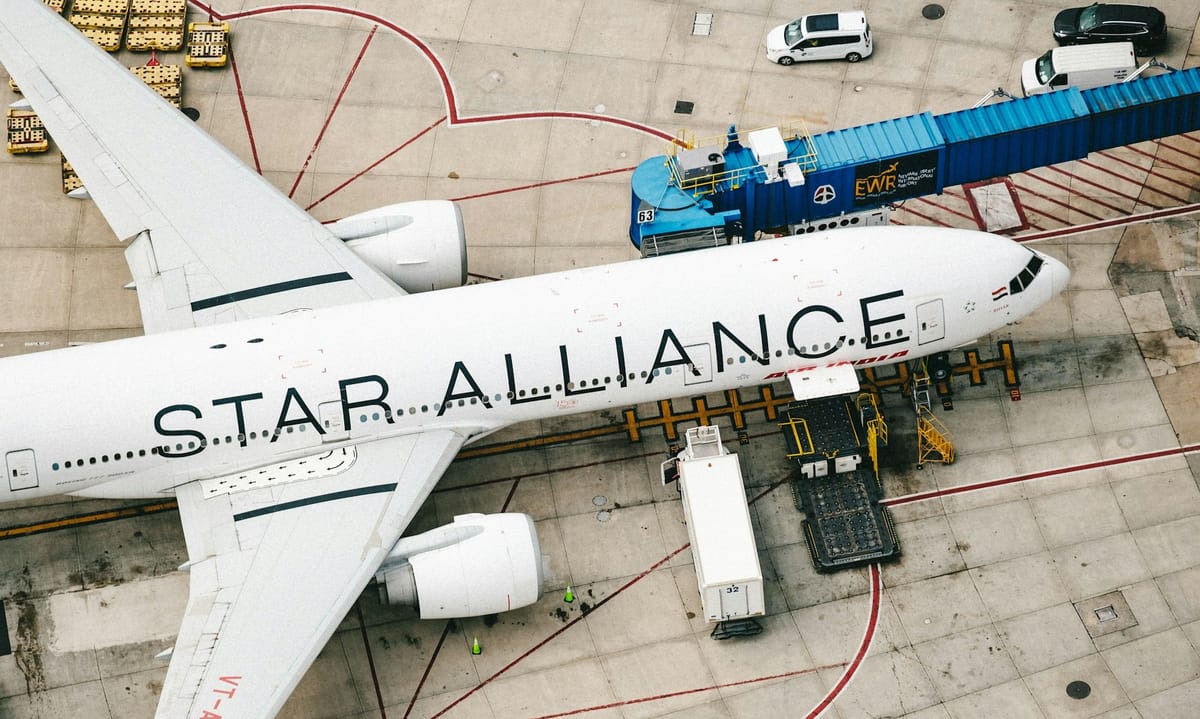
The New Rules of the Sky: 5 Surprising Shifts in Airline Alliances You Need to Know
Key Takeaways
- Major airlines are switching teams, with ITA Airways joining Star Alliance while Asiana Airlines is absorbed into SkyTeam.
- Alliances are pushing for a contactless journey, with Star Alliance setting a voluntary goal for half its members to use biometrics by 2025.
- The definition of an airline network is expanding beyond flights to include intermodal rail partnerships.
- There is a significant value gap in elite status, with Star Alliance Gold offering extensive benefits while Silver provides very little.
- While traditional booking systems still dominate, mobile apps are the fastest-growing channel for alliance flight bookings.
1. Introduction: The Invisible Networks That Shape Your Journey
If you’ve ever walked through an airport terminal, you’ve likely seen the familiar logos of airlines like United, Lufthansa, and Singapore Airlines grouped under a single banner: "Star Alliance." These groupings represent global airline alliances, powerful networks of carriers that collaborate to extend their routes, share passenger benefits, and create a more integrated travel experience.
At their core, these alliances allow airlines to offer passengers access to a much broader network of destinations through codeshare agreements and partnerships. This means a traveler can book a multi-leg journey on a single ticket, even if it involves flights on several different member carriers, creating the impression of a seamless global airline.
While these partnerships have been a cornerstone of international travel for decades, the landscape is now undergoing a dramatic and rapid transformation. Driven by a wave of post-pandemic consolidation, rapid advancements in biometric and mobile technology, and a growing demand for both seamless and sustainable travel, the very definition of an airline alliance is being rewritten.
This article reveals the five most surprising and impactful changes happening right now within these global networks. From airlines switching teams to your face becoming your boarding pass, these shifts will fundamentally alter how you travel the world, with a particular focus on the world's largest airline alliance, Star Alliance.
2. The Great Alliance Reshuffle: Major Airlines Are Switching Teams
The membership lists of the "big three" global alliances—Star Alliance, SkyTeam, and Oneworld—are not set in stone. In a series of major moves, airlines are switching sides, creating significant gains for some alliances and notable losses for others.
A major upcoming shift involves Italy's flag carrier, ITA Airways. Following its acquisition by the Lufthansa Group, ITA Airways is exiting the SkyTeam alliance, with the process set to conclude by April 30, 2025. Following its exit from SkyTeam, the airline has received approval to begin its integration into Star Alliance, with full membership anticipated by the first half of 2026.
While Star Alliance gains a key European member, it is also set to lose a major Asian carrier. Asiana Airlines, a long-standing Star Alliance member, was acquired by its competitor Korean Air, a cornerstone of the SkyTeam alliance. As part of the merger, the Asiana brand will be absorbed, and the unified airline will operate exclusively within SkyTeam. The full integration is targeted for completion by January 1, 2027.
For travelers, these changes are highly impactful. They fundamentally alter which frequent flyer points (such as Star Alliance-aligned Aeroplan points versus SkyTeam-aligned Delta SkyMiles) can be earned and redeemed on these major carriers. This reshuffle represents a high-stakes realignment, with Star Alliance solidifying its position in the lucrative Italian market via the Lufthansa Group, while SkyTeam deepens its critical foothold in the competitive trans-Pacific Asian market through a unified Korean carrier.
3. Your Face is Your New Boarding Pass: The Aggressive Push for Biometrics
Airline alliances are evolving beyond simple codeshare agreements and are now focusing on technology to streamline and modernize the entire airport experience. A prime example is the aggressive push towards biometric identification.
Star Alliance has set an ambitious goal for its members: it aims for 50% of its airlines to implement biometric technology by 2025. This initiative, which is voluntary and not binding, is designed to create a "contactless journey," where a passenger's biometric data can be used at multiple airport checkpoints, from check-in and bag drop to security and boarding. The objective is to reduce congestion, eliminate long queues, and create a more efficient and seamless process for travelers.
Christian Draeger, vice president of customer experience for Star Alliance, highlighted the alliance's vision for this technological shift:
"When biometrics are used by at least half of travelers worldwide, it's possible to see significant benefits. However, we will definitely need to be heading toward half of our carriers participating. But at the same time, we must also increase the network of participating airports."
This strategic push represents a significant step toward the futuristic, frictionless airport experience that has long been promised, moving from concept to reality across the world's largest airline network.
4. Beyond the Airport: Alliances Are Hitting the Rails
The traditional definition of an "alliance network" is expanding beyond air travel. In a forward-thinking move, alliances are beginning to integrate other forms of transport to create a more comprehensive travel ecosystem.
Star Alliance is leading this trend with its "Intermodal Partnership" model, which incorporates rail services directly into its global network. This allows travelers to book combined air and train journeys on a single ticket, ensuring seamless connections and baggage handling between flights and trains.
The alliance has already established key partnerships with major European railway operators. It welcomed Germany's Deutsche Bahn in 2022 and is set to add Austrian Federal Railways in 2025. This integration signifies a strategic shift towards providing a more holistic, door-to-door travel experience for passengers. It also represents a strategic move to appeal to environmentally conscious travelers and align with potential short-haul flight restrictions in Europe, where integrating with state-owned railways like Deutsche Bahn is a politically savvy and sustainable choice.
5. The Elite Status Divide: Not All Tiers Are a Golden Ticket
For frequent flyers, achieving elite status within an airline alliance is a primary goal. However, not all status tiers are created equal. Within Star Alliance, there is a stark divide between its two main levels, Silver and Gold, and travelers should understand the significant difference in value.
Star Alliance Silver offers minimal tangible benefits. The only two published perks are a priority reservations waitlist and priority airport standby. Critically, these benefits do not apply to award tickets, making them even less useful for travelers redeeming miles.
In sharp contrast, Star Alliance Gold unlocks a comprehensive suite of valuable perks designed to significantly enhance the travel experience. The benefits include:
- Priority airport check-in
- Priority boarding
- Priority baggage handling
- Access to over 1,000 airport lounges, even when flying in economy
- An extra checked baggage allowance (an additional 20 kg or one extra piece)
- Gold Track priority security and immigration where available
The key insight for travelers is clear: while earning any status is an achievement, the real, practical value lies in reaching the Gold tier. Star Alliance Silver offers very limited benefits for the average traveler, making the push for Gold a much more worthwhile objective.
6. Behind the Scenes: The Digital Booking Battle
How and where passengers book their flights is a critical, and rapidly evolving, aspect of the airline alliance business model. While modern travelers are increasingly turning to their phones, the backbone of the industry remains surprisingly traditional.
In 2024, Global Distribution Systems (GDS) remain the dominant distribution channel, accounting for approximately 48% of all alliance bookings. GDS are the powerful technological platforms that travel agencies and corporate booking tools use to handle complex, multi-carrier itineraries, providing the essential infrastructure for seamless booking and ticketing across vast alliance networks. This endurance stems from their indispensable role for corporate travel agencies managing the complex, multi-leg international itineraries that are the lifeblood of alliance revenue.
Juxtaposed with this long-standing dominance is the rapid rise of Mobile Applications. In 2024, bookings made via mobile apps experienced a staggering 27% year-over-year growth, making it the fastest-growing channel. This trend reflects a clear shift in consumer preference towards self-service platforms, creating a two-speed industry: corporate reliance on powerful legacy systems versus a clear consumer preference for mobile self-service.
7. Conclusion: The Ever-Connecting World
The era of airline alliances as simple codeshare networks is over. Today, they are transforming into complex, technology-driven ecosystems that integrate everything from biometric data to ground transportation. They are dynamic entities, with members joining and leaving based on strategic realignments in the global market.
These shifts are a direct response to a new competitive landscape. They are strategic maneuvers to counter the flexibility of low-cost carriers, to add tangible value that justifies premium loyalty programs, and to win the race to own the end-to-end customer journey in a digital-first world.
As these networks become more integrated and technologically advanced, what does the future of seamless global travel truly look like?
8. Q&A Section
Q: What are the three major global airline alliances? A: Based on the source information, the three major global airline alliances are Star Alliance, SkyTeam, and Oneworld.
Q: Which airline alliance is the largest? A: According to 2019 data, Star Alliance was the largest by number of passengers with 762 million, followed by SkyTeam (630 million) and Oneworld (535 million).
Q: Do I get lounge access with Star Alliance Silver status? A: No. The sources state that airport lounge access is a benefit of Star Alliance Gold status. Star Alliance Silver benefits are limited to priority reservations waitlist and priority airport standby.
Q: Is ITA Airways still part of SkyTeam? A: No. ITA Airways is exiting the SkyTeam alliance, with the process being completed by April 30, 2025. It is scheduled to join Star Alliance in the first half of 2026.
Q: How do I earn Star Alliance Gold status? A: You cannot earn status directly with the alliance. You qualify for Star Alliance Gold by reaching an equivalent elite tier in a member airline’s frequent flyer program, such as United MileagePlus Premier Gold or Air Canada Aeroplan 50K.
Keywords and Hashtags
airline alliances, Star Alliance, SkyTeam, Oneworld, ITA Airways, Asiana Airlines merger, frequent flyer programs, Star Alliance Gold benefits, airline biometrics, seamless travel, intermodal travel, aviation industry trends, travel loyalty programs.
#AirlineAlliances #StarAlliance #Aviation #Travel #FrequentFlyer #AvGeek #FutureOfTravel #ITAairways #TravelNews #LoyaltyPrograms